Did you know that a simple door handle lock can enhance your home’s security and privacy? With the rise of smart locks and easy-to-use mechanical systems, securing your doors has never been easier.
In this article, we will teach you how to lock a door with a door handle lock, focusing on different locking systems and common problems people face.
You’ll learn step-by-step instructions, tips for maintenance, and troubleshooting to ensure your lock works smoothly.

What is a Door Handle Lock?
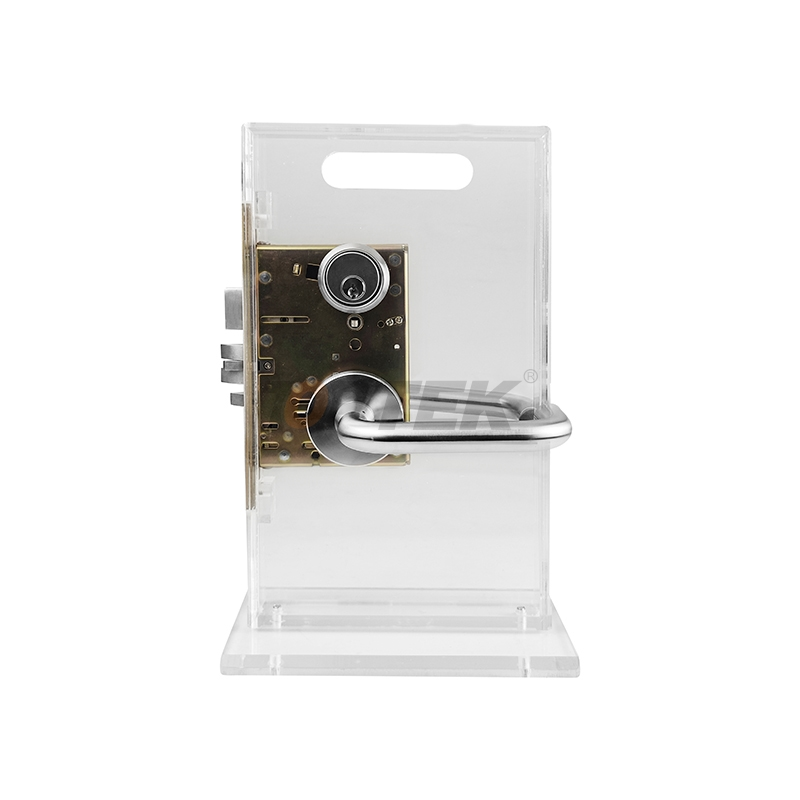
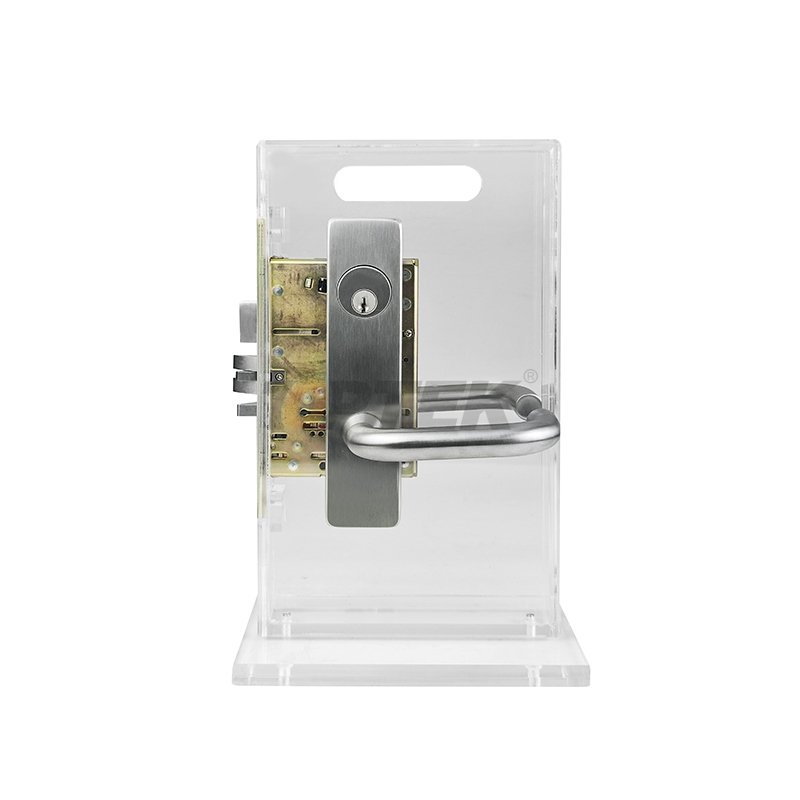
A door handle lock is a type of lock built into the door handle, designed to secure a door. It typically includes a latch, deadbolt, and strike plate, all of which work together to keep the door closed and prevent unauthorized access.
Definition and Function
| Component | Description |
| Latch | Holds the door shut and automatically engages when you close the door. |
| Deadbolt | An extra locking mechanism providing added security. It needs to be manually turned or electronically activated. |
| Strike Plate | A metal plate attached to the door frame that ensures the lock stays in place. |
Types of Door Handle Locks
Mechanical Door Handle Locks
Mechanical door handle locks use a simple turning mechanism to lock and unlock the door. When you turn the handle, the latch engages, and the door is secured. These locks are typically easy to install and operate, making them a common choice for residential settings.
Smart Door Handle Locks
Smart door handle locks offer advanced features such as fingerprint recognition, codes, and mobile app control. A good example is the Bolt Knob, which allows users to lock the door with their fingerprint or smartphone. These locks offer convenience and added security, especially for people who prefer keyless entry systems.
Common Use Cases
| Setting | Application |
| Homes | For securing front, back, and interior doors. |
| Offices | Protecting private offices and conference rooms. |
| Hospitals | Locking rooms to ensure privacy and safety. |
| Hotels | Providing guests with secure, easy-to-use locking systems. |
With their simple design and wide range of options, door handle locks are an essential part of modern security solutions.
How Does a Door Handle Lock Work?
A door handle lock is designed to keep your door secure by using several mechanisms. Understanding these systems helps you choose the right lock for your needs.
Mechanisms in Play
Latch System
The latch system is a fundamental part of any door handle lock. It automatically engages when you close the door, securing it in place. In models like the WK5572, a double-locking system is used, combining a latch and deadbolt. This system ensures the door is firmly locked, preventing it from being easily opened.
Deadbolt
A deadbolt provides extra security by adding an additional locking mechanism. Unlike the latch, the deadbolt requires manual turning or electronic activation to lock the door. It’s designed to resist forced entry, offering more protection than a standard latch system.
Magnetic Locks
Magnetic door handle locks, such as the WK5572, use magnetic force to secure the door. These locks engage silently, without the noise of mechanical movements, making them ideal for quiet environments like bedrooms or offices. The magnetic force ensures the door is locked securely without physical contact between metal parts.
Locking System Features
| Lock Type | Description |
| Single Latch | A basic locking system using a single latch. It’s simple and effective for light-duty applications. |
| Double Latch | A more secure system combining a latch and deadbolt for added protection. |
Automatic Locking Features
Some modern locks, especially smart locks, include automatic locking systems. These locks can automatically engage once the door is closed, locking without any manual intervention. Features like fingerprint recognition or smartphone app controls offer convenient keyless entry, making them perfect for those seeking modern, hassle-free security solutions.
How to Lock a Door with a Door Handle Lock (Step-by-Step)
Locking a door with a door handle lock is simple once you understand the process. Follow these easy steps to ensure your door is secure.
Step 1: Confirming the Lock Type
Before locking, you need to know what type of lock you're using:
Mechanical Locks: These use a basic latch-and-deadbolt system. Turn the knob or push a button to lock it.
Smart Locks: These are keyless and may use a fingerprint, code, or mobile app for entry. Make sure to check the setup before locking.
Step 2: Locking the Door from the Inside
Manual Locking for Mechanical Locks: Simply rotate the internal knob or push a button to engage the latch and deadbolt. Models like the WK5572 provide a reliable locking system.
Magnetic Locking: For magnetic locks, press or rotate the button to activate the magnetic force. This will securely lock the door, silently and efficiently.
Step 3: Locking the Door from the Outside
Key-Based Locks: Insert the key into the lock, turn it clockwise, and verify by doing the "push test." This checks if the handle stays still and the door is locked.
Electronic Locks: For keyless entry, lock your door via a code, fingerprint, or smartphone app (e.g., Bolt Knob smart lock). Ensure your system is synced and functioning correctly.
Step 4: Special Scenarios
Glass Doors: If you have a glass door, ensure the door handle lock fits flush against the door frame to avoid damage and ensure a secure fit.
Non-Standard Doors: For doors thicker than the standard 50mm, check if your lock comes with custom kits for better compatibility.
Common Problems with Door Handle Locks and How to Fix Them
Even the most reliable door handle locks can experience issues over time. Here are some common problems and simple solutions to keep your locks working smoothly.
Issue 1: Sticking or Jamming Locks
Causes: Dirt, debris, or misalignment can cause the lock to jam or stick.
Solutions: Clean the latch and deadbolt components using appropriate tools. Lubricate them with graphite powder to ensure smooth movement. Also, check the alignment of the strike plate and adjust if needed.
Issue 2: Misalignment with the Door Frame
Cause: Over time, the door or frame may warp, affecting the alignment of the latch and strike plate.
Solution: Adjust the strike plate’s position and ensure it lines up properly with the latch. This will ensure the door locks securely.
Issue 3: Key Issues (For Key-Based Locks)
Cause: Worn-out keys, misalignment of lock components, or dirt inside the keyhole.
Solution: Clean the lock and remove any debris. If the key is worn, replace it. If the problem persists, consider replacing the lock cylinder to restore full functionality.
Advantages of Using a Door Handle Lock
Door handle locks offer a variety of benefits, making them a great choice for both home and office security. Here are some key advantages:
Enhanced Security
Double-Locking Systems: Models like the WK5572 combine both a latch and deadbolt, offering double protection. This system strengthens the security by preventing forced entry.
Additional Safety Features: Many door handle locks come with built-in anti-tamper technology, such as magnetic locks and robust strike plates, providing an added layer of protection against break-ins.
Convenience
Ease of Use: Door handle locks are easy to operate, providing a hassle-free experience. Whether it's a simple mechanical lock or a smart lock, they all require minimal effort to lock and unlock.
One-Touch Operation: Modern models, like the WK5572, allow you to lock your door with a single motion. This feature is especially convenient when your hands are full.
Aesthetic Appeal
Modern and Stylish: Door handle locks are designed to fit seamlessly into various home and office decors. They work well on glass doors or narrow frames, complementing the overall design.
Silent Operation: Magnetic locks, like the WK5572, are especially quiet. They provide a smooth, silent locking process, ideal for bedrooms or offices where noise could be disruptive.
Best Practices for Installing a Door Handle Lock
Installing a door handle lock is straightforward, whether you are working with a mechanical or smart lock. Follow these tips to make the installation process smooth and effective.
Installing Mechanical Locks
Step-by-Step Guide
Mark the Position: Use a pencil to mark where the lock will go. Ensure it's at the right height.
Drill the Holes: Drill holes for the latch and deadbolt, ensuring they align correctly.
Install the Latch and Deadbolt: Insert the latch into the drilled hole and secure the deadbolt on the door edge.
Attach the Handle: Attach the handle to the lock mechanism and screw it into place.
Measurement Tips
Installing Smart Locks
Setting Up Fingerprint and Passcodes
Configure the Lock: Follow the manufacturer's instructions to set up the fingerprint scanner or passcodes.
Enroll Users: Add fingerprint data or set up passcodes for authorized access.
App Integration
Download the App: Install the relevant app for your smart lock model.
Link the Lock: Connect the lock to your phone via Bluetooth or Wi-Fi for remote control.
Test Remote Access: Ensure you can lock/unlock your door remotely via the app.
Avoiding Installation Mistakes
Incorrect Alignment: Make sure the latch and strike plate are perfectly aligned. Misalignment can cause the lock to malfunction.
Tightening the Screws: Tighten screws firmly but not too tight. Over-tightening can cause parts to misalign or break, affecting the lock’s functionality.

How to Maintain Your Door Handle Lock for Longevity
Maintaining your door handle lock ensures it continues to work efficiently and lasts longer. Here are some key practices to keep your lock in top condition.
Regular Cleaning
Why It’s Important
Dirt and dust can cause friction and block the lock mechanism, leading to malfunction. Regular cleaning helps maintain smooth operation.
Cleaning Techniques
Mechanical Locks: Use a dry cloth to wipe off dust. For stubborn dirt, use a mild cleaner and a soft brush to remove debris around the latch and deadbolt.
Smart Locks: Clean the exterior with a microfiber cloth. Be cautious around fingerprint sensors or keypads—use a lightly damp cloth and avoid any liquid inside the lock.
Lubrication
Lubricating Moving Parts
Lubricating mechanical locks can prevent sticking or jamming. Use graphite powder or a dry lubricant on the latch and deadbolt components to ensure smooth movement. Avoid using oil-based lubricants, as they can attract dust.
Battery Maintenance for Smart Locks
For smart locks, check the battery regularly to avoid unexpected power loss. Most smart locks will alert you when the battery is low. Replace batteries as needed, typically every 6-12 months, depending on use.
Regular Inspections
Checking Alignment
Misalignment can prevent a door handle lock from working correctly. Ensure the latch aligns properly with the strike plate. If misalignment occurs, adjust the lock or strike plate to correct the fit.
Testing the Lock Regularly
Test your door handle lock at least once a month. Lock and unlock it several times to ensure everything functions properly. Regular testing helps identify any issues before they cause a malfunction.
Conclusion
Knowing how to lock a door with a door handle lock is essential for safety, convenience, and privacy.
Choose the right lock based on your needs, whether it’s a simple mechanical lock or a smart lock with advanced features.
Explore the available options to find the perfect door handle lock for your home or business.
FAQ
Q: How can I lock a door without a key?
A: Yes, magnetic locks and smart locks allow for keyless locking with buttons or electronic access, such as using fingerprints or a mobile app.
Q: Can a door handle lock be installed on a glass door?
A: Yes, magnetic door handle locks can be installed on glass doors without damaging the frame, providing a sleek and secure solution.
Q: How do I fix a door handle lock that keeps getting stuck?
A: Clean and lubricate the lock mechanism. If the issue persists, check the alignment of the lock with the door frame and adjust the strike plate.
Q: What is the best door handle lock for high-security needs?
A: For high-security, a double-locking system like the WK5572, which uses both a latch and deadbolt, provides extra protection.
Q: How do I reset a smart door handle lock?
A: Follow the manufacturer’s instructions to reset the lock’s code or fingerprint settings. Most smart locks offer a reset button or app-based instructions.